

9 Beginner-Friendly Small Business Ideas You Can Start Right Away (No Experience Required)
If you want to start a small business quickly without specialized experience or large upfront costs, these 10 beginner-friendly ideas focus on practical skills, low risk, and fast validation—so you can start earning before overthinking.
Starting Small Is the Smart Move
One of the biggest myths about starting a small business is that you need a unique idea, a lot of money, or years of experience. In reality, most successful small businesses begin with something much simpler: solving a basic problem for a specific group of people.
Beginner-friendly businesses work because they prioritize execution over perfection. They use skills you already have—or can learn in days, not months—and they let you test demand quickly before scaling.
The ideas below are designed to be:
- Low-cost to start
- Easy to understand
- Flexible enough to grow
- Realistic for beginners
Each business includes what you need to get started and practical notes to help you avoid common mistakes.

1. Freelance Proofreading or Editing Service
Many businesses, students, and content creators publish written material daily—and most of it needs a second set of eyes. Proofreading focuses on grammar, clarity, and consistency rather than creative writing, making it accessible for beginners with strong English skills.
What you need to get started:
- Laptop and internet connection
- Strong written English
- Grammarly or ProWritingAid (optional but helpful)
- Free portfolio samples (before/after edits)
Helpful to know:
Start with blog posts, resumes, or academic papers before moving into higher-paying niches like legal or medical editing. Clear pricing per word or per page helps attract clients faster than hourly rates.
2. Local Service-Based Business (Cleaning, Yard Work, or Handyman Help)
Local services remain one of the fastest ways to start earning because demand already exists. People consistently pay for convenience, reliability, and time savings—especially for tasks they don’t want to do themselves.
What you need to get started:
- Basic tools (cleaning supplies, lawn tools, or hand tools)
- Transportation (car, bike, or walking distance)
- Simple flyers or a Google Business Profile
- Time availability on evenings or weekends
Helpful to know:
Focus on one service first. Specialization builds trust faster than offering “everything.” Reliability matters more than experience in the beginning.
3. Virtual Assistant (VA) Services
Virtual assistants help business owners handle administrative tasks like email management, scheduling, research, or data entry. This business works well for organized people who enjoy behind-the-scenes work.
What you need to get started:
- Laptop and stable internet
- Basic tech skills (email, spreadsheets, calendars)
- Familiarity with tools like Google Workspace or Zoom
- Clear list of services you offer
Helpful to know:
Many beginners underprice themselves. Instead of hourly rates, consider offering monthly packages to create predictable income and reduce burnout.
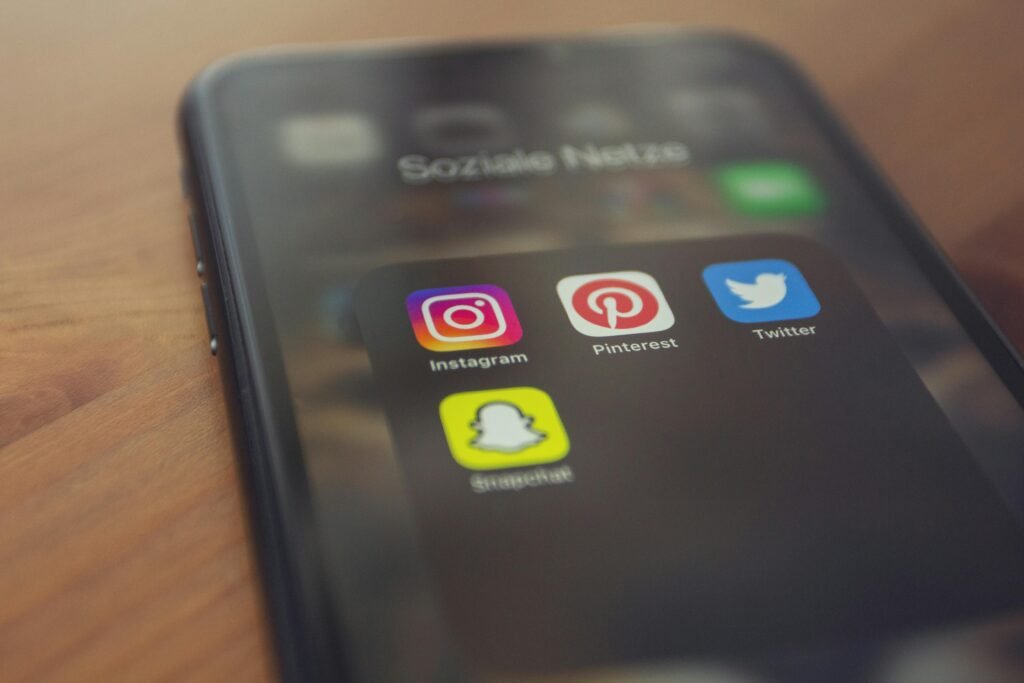
4. Social Media Content Scheduling for Small Businesses
Many small business owners know they should be posting on social media—but don’t have the time. Content scheduling focuses on organizing and posting content, not becoming an influencer.
What you need to get started:
- Understanding of one platform (Instagram, Facebook, or TikTok)
- Scheduling tools like Buffer or Hootsuite
- Canva for basic graphics
- Clear posting calendar templates
Helpful to know:
You don’t need to create viral content. Consistency and basic branding are more valuable to local businesses than growth hacks.
5. Digital Products (Templates, Planners, or Checklists)
Digital products allow you to create something once and sell it repeatedly. Popular beginner products include planners, spreadsheets, resume templates, and trackers.
What you need to get started:
- Canva or Google Docs
- A specific audience problem to solve
- Platform like Etsy, Gumroad, or Shopify
- Basic understanding of SEO titles and descriptions
Helpful to know:
Simple products often outperform complex ones. Focus on clarity, usability, and solving one problem well.
6. Online Tutoring or Skill Coaching
If you’re good at a subject—math, language learning, music, or even software basics—you can offer tutoring without formal credentials.
What you need to get started:
- Knowledge in one subject
- Video call software (Zoom or Google Meet)
- Simple lesson structure
- Scheduling tool like Calendly
Helpful to know:
Parents and adult learners care more about results and communication than degrees. Testimonials matter more than certifications at the beginning.
7. Print-on-Demand Merchandise Business
Print-on-demand lets you sell custom products (shirts, mugs, phone cases) without holding inventory. Products are created only after someone orders.
What you need to get started:
- Design ideas (simple text or graphics work best)
- Canva or basic design tools
- Platform like Printify or Printful
- Online storefront (Etsy or Shopify)
Helpful to know:
Niche audiences outperform generic designs. Humor, professions, hobbies, or life stages tend to convert better than broad slogans.
8. Resume and LinkedIn Profile Optimization Service
Job seekers often struggle to present themselves effectively—especially for remote roles. Resume optimization focuses on formatting, clarity, and keyword alignment rather than rewriting someone’s life story.
What you need to get started:
- Understanding of modern resume formats
- Familiarity with Applicant Tracking Systems (ATS)
- Example resumes for different roles
- Clear pricing per document
Helpful to know:
Position this as a practical service, not a miracle solution. Transparency builds trust and repeat referrals.
9. Niche Blogging or Content Website
Blogging is not instant income—but it’s one of the most scalable beginner businesses if you’re willing to commit consistently.
What you need to get started:
- Domain and basic hosting
- Writing ability or research skills
- Keyword research tools (free or paid)
- Patience and consistency
Helpful to know:
Choose a narrow niche. Writing for “everyone” makes it harder to rank or monetize. Writing for a specific audience builds authority faster.
Comparison Table: Beginner-Friendly Small Business Ideas
| Business Idea | Startup Cost | Skill Level | Time to First Income | Scalability |
|---|---|---|---|---|
| Proofreading | Low | Beginner | Fast | Medium |
| Local Services | Low | Beginner | Immediate | Medium |
| Virtual Assistant | Low | Beginner | Fast | High |
| Social Media Scheduling | Low | Beginner | Fast | Medium |
| Digital Products | Low | Beginner | Medium | High |
| Tutoring | Low | Beginner | Fast | Medium |
| Print-on-Demand | Low | Beginner | Medium | Medium |
| Resume Services | Low | Beginner | Fast | Medium |
| Blogging | Low | Beginner | Slow | High |
Your Next Step (Keep It Simple)
Pick one idea from this list—not the “best” one, just the easiest to start this week. Spend 30 minutes outlining what your first offer looks like and who it helps. Momentum beats perfection every time.
Frequency Asked Questions About Small Business Ideas
AI Content Disclosure: This website uses AI tools to assist in research and content drafting. All articles are reviewed, refined, and updated by a human to ensure originality, accuracy, and real-world usefulness for readers.